

Introduction: In most developing nations, such as South Sudan, food insecurity is a continued challenge, especially among schoolchildren. Hunger still erodes the capacity of students to go to school regularly, focus in class, and reach their full potential academically. To resolve this challenge in a sustainable manner, the inclusion of Conservation Agriculture, specifically the Foundation for Farming (FfF) model, in secondary schools offers a strong and transformative solution.
By empowering the youth with sustainable, climate-resilient agriculture knowledge right from an early age, we not only fight school hunger but also create the future generation of agricultural-briefed leaders who can trigger rural development, food security in the country, as well as economic revolution.
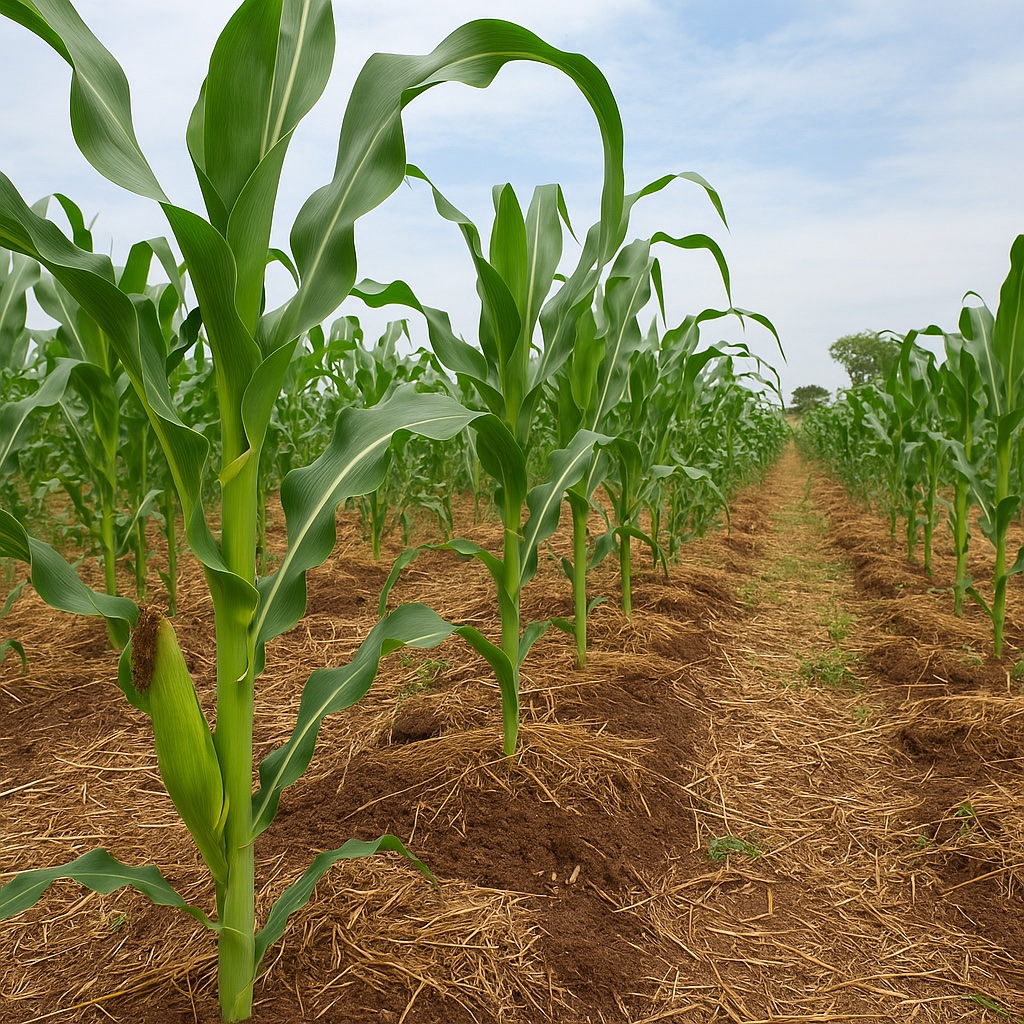
What Is Conservation Agriculture and the Foundation for Farming Model? Conservation Agriculture (CA) is a farming system that promotes minimum soil disturbance, permanent cover of the soil, and crop rotation. CA seeks to improve yield while at the same time conserving and enhancing the quality of the environment.
The Foundation for Farming (FfF) method originates from these beliefs and emphasizes obedient stewardship, accuracy, and thrift. It teaches straightforward, scalable, and reproducible methods of farming that can greatly improve yields, even on smallholdings, at reduced input prices and with little harm to the environment.
Key principles of Foundation for Farming include:
- Faithfulness in what you have
- Doing everything on time
- Doing everything to a high standard
- Not wasting resources
Why Adopt Conservation Agriculture and FfF in Secondary Schools?
- Combat Hunger and Improve School Feeding Program: By using school demonstration farms on Conservation Agriculture principles, schools can produce healthy crops to support improving students’ meals. This addresses hunger issues among students directly, improves students’ concentration, and augments academic performance—especially in the most vulnerable rural regions.
- Improve Student Concentration and Academic Performance: When students are well-fed, they can focus better, participate more actively, and perform better in the classroom. The evidence worldwide has proven that nutrition is linked with cognitive function, attendance, and academic success.
- Inspire a New Generation of Agriculture Leaders:Hands-on agricultural education at school plants seeds of inquisitiveness among young people. It disproves aged myths that agriculture is a non-productive or undesirable endeavor, showing students that agriculture can be a dignified, lucrative, and efficient profession.
- Foster Sustainability and Climate Resilience: Conservation Agriculture teaches students to save the soil, water, and advance biodiversity. These eco-friendly practices provide the next generation of farmers with the capability to combat climate change while providing food security.
- Strengthen Community Food Systems: School farms can be hubs of excellence that introduce new practice to the surrounding communities. Students take what they have learned home and encourage their families to adopt better farming practices, which enhances household food production and livelihood.
- Encourage Responsibility, Teamwork, and Entrepreneurship: Working on school farms makes students responsible for projects, work as a team, and become entrepreneurial in thinking about production, marketing, and sustainability.
Real World Impact: Examples, from Africa, Zimbabwe, Zambia, and Kenya have incorporated Foundation for Farming in schools, which had the following outcomes:
- Increased school attendance rates.
- Student-cultivated food for school feeding programs.
- Youth agricultural enterprise.
- Enhanced environmental care by students.
These findings indicate that if children are meaningfully involved in agriculture, schools can become sustainable, model communities of development.
A Call to Action for South Sudan and Beyond: In South Sudan, where the potential for agriculture to transform the country lies, integrating Conservation Agriculture education into secondary school curricula is a strategic priority. It is not just an agricultural intervention—it is an educational, economic, and social revolution.
Stakeholders—like the Ministry of General Education and Instructions, EmpowerKids-South Sudan through its program “Empower Farmers South Sudan” which implements the Foundation for Farming model in South Sudan, other NGOs, religious groups, and the private sector—must collaborate to:
- Establish school gardens and demonstration farms.
- Integrate agriculture lessons into science, geography, and life skills curriculum.
- Train teachers in Conservation Agriculture and Foundation for Farming methods.
- Provide basic farming inputs (seeds, tools) and technical support.
- With proper commitment, every school can be a hub of learning, sustenance, and hope.
Conclusion: Implementing the Conservation Agriculture and the Foundation for Farming approach in secondary schools is not about sowing seeds—it is about sowing minds, dreams, and futures.
By fighting hunger, improving school performance, and cultivating future agricultural leaders, we create pathways to food-secure communities and nation.
The seeds we plant today in our schools and gardens will become the trees of leaders, farmers, and change-makers of tomorrow.
 Empowered Citizens: Engaging in Policy and Participatory Governance